


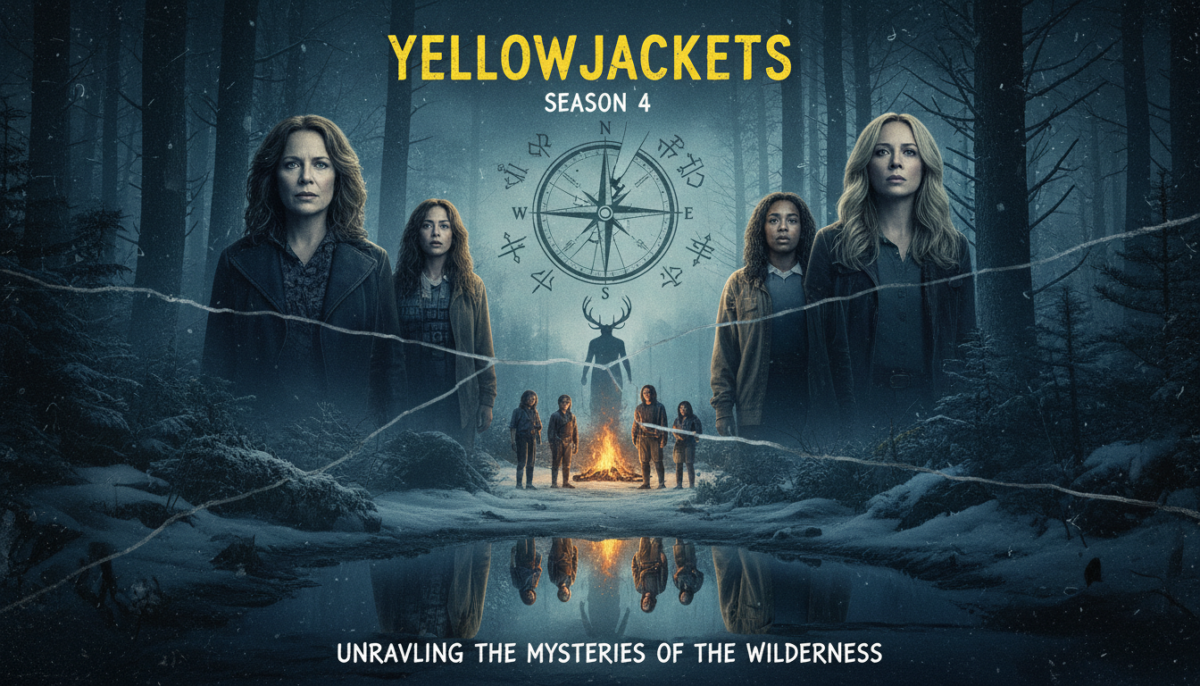
A Return to Survival, Secrets, and Suffering
The story picks back up where Season 3 left off—the survivors are strained by more than just the cold and hunger. Each character carries emotional baggage, and the forest itself seems alive with its own threats. It’s not just about keeping warm; it’s about surviving their truths.
There’s this gnawing sense that the past never truly stays buried. Secrets begin to surface in surprising ways. Conversations happen out loud now, in broken sentences, as if the wilderness is forcing honesty. And ties—friendships and rivalries—are stretched in unexpected directions.
Unraveling the Mystery of the Terrain
More than just cold and trees
The wilderness here serves as more than a backdrop. It’s practically a character. Dense woods, shifting weather, even strange noises keep everyone on edge. Each scene feels uncomfortably intimate. There’s beauty, of course—frost-laced branches, sunlit clearings—but there’s also an ever-present danger.
Beyond the obvious threats, the forest seems to respond to the survivors’ unraveling psyche. It mirrors their fear and amplifies it. Every crack or distant cry feels like a message. And so do the small details—animals that appear too close, footprints in the mud—that hint at something deeper.
Secrets in the undergrowth
The survivors aren’t just battling the elements—they’re wrestling with each other’s hidden pasts. One discovery leads to another: an abandoned camp, a discarded letter, maybe a blood-stained item half-buried. It escalates fast, twisting trust into tangled webs. And suddenly, they’re all digging—figuratively and literally—for answers.
Characters at the Edge
Fragmented friendships
On the one hand, we see alliances shift with eye contact as much as conversation. On the other hand, old loyalties crumble under stress. A shared joke in daylight might be edge of betrayal by night.
These fractures aren’t abrupt—they grow in little moments. A refusal to share fire. A whispered aside at dawn. Sometimes, understanding comes too late. And that sense of regret lingers longer than the cold.
Secrets crack open in the cold
As tension freezes the forest, it thaws inner walls. Survivors share incredible confessions. It’s messy and ridiculous and human—all at once. You can almost feel them exhale. And you wonder: is confession absolution? Or does revealing truth just make things worse?
Here’s one perspective from one character, whispered near the dying embers:
“We all thought honesty would save us. But maybe the woods weren’t buying it.”
That line resonates. It’s a brutal reminder that survival is about more than truth—it’s about facing the consequences of truth too.
The Wild as Mirror and Catalyst
Nature pushing them inward
The wild isn’t passive; it’s reflective. The deeper they go, the more they confront themselves. When the light is gone, they’re forced to see their inner darkness too. Beyond wildlife and wind, the real challenges come from their minds.
Their individual arcs—resilience, regret, desire, guilt—are sharpened by isolation. Without distraction, there’s nowhere to hide. The wilderness amplifies every flaw and strength.
Collective unraveling
But perhaps the biggest twist is how the group dynamics change. Shared danger can bond people, sure. But it can also spark suspicion, envy, and fear. Easy camaraderie flips to desperate breakdown in a heartbeat.
One night, a fight over resources escalates. Not because of greed—but because hope is fragile, and when it shatters, everything moves fast. In the aftermath, silence is more intense than any argument.
Why it Sticks—and What Makes It Crack
Raw emotional realism
The show doesn’t glamorize survival. There’s no triumphant music. There’s soreness, scabs, tears. Realism is in the breath they catch after a fall, the ache in a shoulder, the way guilt weighs heavier than hunger. That makes it compelling—you believe it.
Twisty narrative structure
Flashbacks, unreliable memories, half-told stories—they all pile on uncertainty. You can’t be sure what’s true until it’s too late. It’s disorienting in the best way—like you’re piecing together the truth alongside them.
Smart pacing
There are moments of stillness. The wind rattles branches. They share a desperately needed drink. You think you know what’s coming. Then boom—something shifts. It’s unpredictable because it’s grounded—it’s not suspense for effect. It’s survival.
Pulling It All Together
The wilderness isn’t just a setting. It’s a pressure-cooker, a mirror, a catalyst for unravelled truths and frayed relationships. Season 4 wrestles with whether survival is physical, psychological, or moral—or maybe all three. And that tension is what keeps hearts racing.
Quick takeaways:
- Wilderness feels alive and responsive, not just atmospheric.
- Characters are at emotional breaking points—truths spill in imperfect ways.
- Nature amplifies inner conflict more than it punishes flesh.
- The group dynamic is volatile, shifting from fragile unity to fracture.
- Pacing and structure reinforce uncertainty and realism.
FAQs
What makes Season 4 of Yellowjackets feel different from previous seasons?
Season 4 steps deeper into emotional complexity. While earlier seasons focused on survival basics, this one peels back psychological layers—especially how guilt and isolation affect everyone differently.
Do new characters change the narrative in Season 4?
Yes, new faces shift dynamics in unexpected ways. They bring fresh tensions and alliances that spark conflict and moments of fragile connection.
Is the wilderness in Season 4 portrayed realistically?
Absolutely. It’s not just a backdrop but a vivid presence—weather shifts, sensory details, and silent watches create a landscape you feel, not just see.
How does the show handle pacing and tension?
With a careful mix of slow-burning intimacy and sudden upheaval. Quiet moments lull you, then emotions or events erupt. It’s disarming in a gripping way.
Does Season 4 resolve the major mysteries?
Some arcs take a step toward closure, but new questions emerge. That’s part of the draw—the forest has a way of revealing, hiding, and then revealing again.
This season peels back the veneer of survival and reveals the raw human beneath. It’s messy. It’s haunting. And you won’t forget a single splinter of it.


