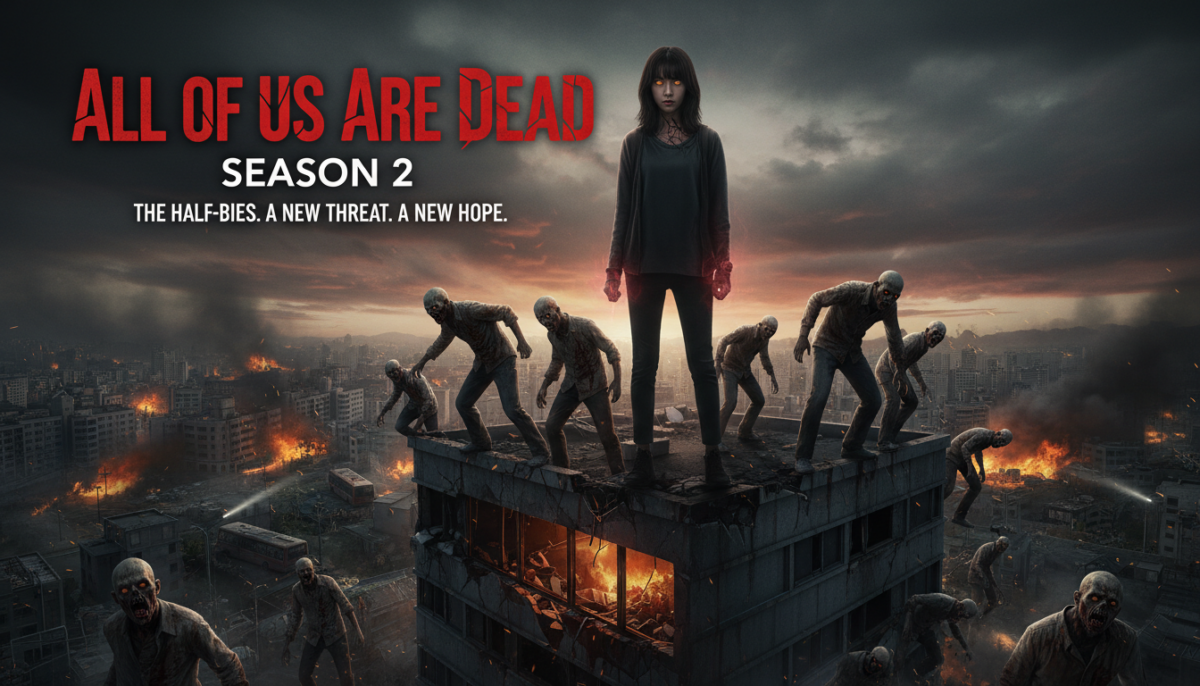

: the zombie apocalypse intensity ramps up, relationships deepen under pressure, new characters stir chaos, and the fight for survival takes unexpected emotional turns. This season heightens both horror and heart, delivering more tense showdown scenes, moral dilemmas, and a clearer spotlight on trust—or betrayal—among the survivors.
What’s Escalating in the Zombie Outbreak
The second season throws us deeper into the pandemic’s dark side. The virus spreads faster, infections surge, and the stakes feel higher than ever. While some characters scramble for safe ground, others evolve—or devolve—into unpredictable drama catalysts.
Conversations between survivors get rawer. You can almost sense the tension in every glance. And when that tension snaps? It’s chaos. The storytelling plays with power shifts: one minute someone’s a leader, the next they’re a liability.
New Faces, New Fault Lines
Introducing new characters changes everything. These newcomers bring fresh skills, fresh secrets, and fresh friction. Their alliances are fragile at best. Some fit in and bolster the group; others stir trouble, either intentionally or by accident.
This mix makes alliances feel unstable—and thrilling to watch. We don’t know who to root for. Honestly, that ambiguity is part of the narrative’s strength.
Evolution of the Returning Survivors
Existing characters don’t stay the same. Trauma reshapes them. A once-cautious strategist might snap under pressure. A bold warrior could falter when hope seems lost. This emotional drift breathes realism into the apocalypse drama.
There’s a human cost in every survival decision. When we peek behind each action—guilt, fear, desire for control—we glimpse the emotional wreckage of this crisis.
Intensified Conflict and Resource Scarcities
The fight for food, medicine, and somewhere safe grows desperate. Resource shortages spark arguments and flashpoints. In some scenes, haggling over supplies feels more terrifying than the zombies themselves.
This scarcity pushes people into morally gray zones. When hunger or fear reigns, leaders fall, friendships crack, and everyone wonders what kind of person they’d become to stay alive.
Visual Zero-Day: Gruesome, Gritty, Real
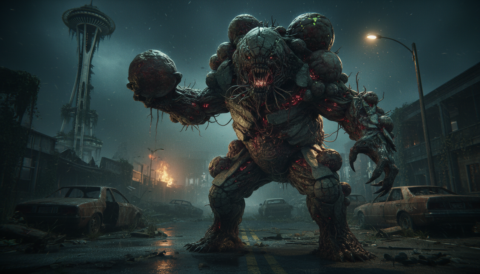
The visuals turn more savage. Blood splatters feel more real. Decay looks visceral, and the undead—well, they’re nastier. It’s not just gore for shock value; the visual grit underscores the collapse of civilization.
On the other hand, still moments of calm punctuate the chaos. Watching eyes flicker across broken streets, or survivors share silent glances in moonlight—these quieter scenes heighten the brutality that surrounds them.
Moral Dilemmas and Shifting Loyalties
Every tough choice carries weight. Protect the weak? Risk the group. Save yourself? Condemn another. Season 2 doesn’t shy away from these hard, no-win decisions.
“Survival isn’t just about outrunning zombies—it’s about surviving the despair inside us,” a character might remark. These moments remind us that the living can be more dangerous than the dead.
That quote—forged in footsteps trailing over broken glass—sticks with you. It’s about the internal monsters we battle, not just the external.
Thematic Undercurrents: Trust, Unity, Collapse
Several themes pulse through Season 2:
- Trust fractures as alliances form under duress, then snap.
- Survival tests whether community is strength or vulnerability.
- Collapse isn’t just structural—it’s emotional, moral, social.
- Hope flickers—in sparks, not in bonfires.
These ideas layer into the pace and character arcs. The hex of the undead is always looming, but the real heart of the story is how people respond when they’re stripped down to bare need.
Why It Resonates Beyond the Apocalypse
This isn’t just another zombie show. It’s an emotional sandbox where people’s worst and best selves collide. It pushes viewers to ask: what would I do if everything fell apart? It makes escape from the screen feel harder than outrunning the infected.
By exploring both visceral horror and the psychology behind survival, the season captures something universal about crisis—our capacity to endure, fracture, or transform.
Conclusion
All of Us Are Dead Season 2 delivers a deeper, more brutal look at a world gone mad. It cranks up threats—both undead and human. It tests characters more harshly, weaving new rivalries and alliances as the virus mutates and society disintegrates. If you came for zombies, you’ll get them—but stay for the fractured humanity in the rubble.
FAQs
What’s the central shift in tone from Season 1 to Season 2?
Season 2 dives darker and more raw—less exposition, more emotional volatility, and grittier visuals that underscore moral breakdown along with physical collapse.
Will returning characters change significantly?
Yes. Trauma shifts them. You’ll notice leaders struggle, rebels falter, and empathetic souls edge toward desperation. Their humanity fractures in complex ways.
Do new characters play major roles?
Definitely. Newcomers bring uncertainty. Some spark hope, others threaten it. They serve to expand, complicate, or outright upend the existing group dynamics.
Are the zombie effects more intense this season?
Visually, yes. The gore is more grounded, decay more graphic. Still scenes emphasize what has been lost—both physically and emotionally.
Is the show still about survival, or more about psychology?
Both. At its core, it’s survival drama—but the real focus is psychological. Crises don’t just test bodies—they test beliefs, bonds, and identities.
Is there any hope left in Season 2?
There are sparks—little moments that suggest maybe, just maybe, people can rebuild. But hope is fragile and often outshone by despair, making every hopeful beat all the more powerful.